
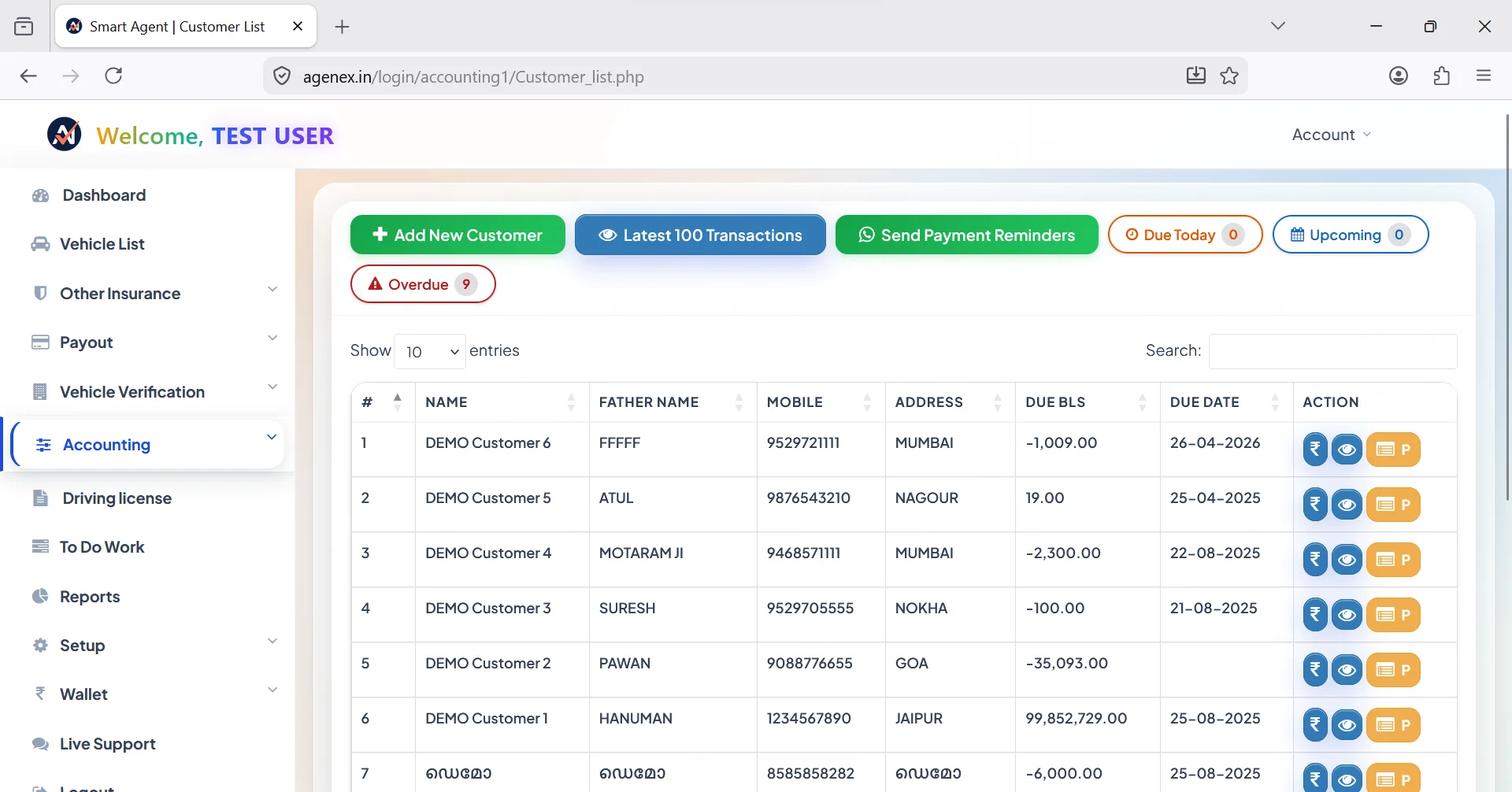
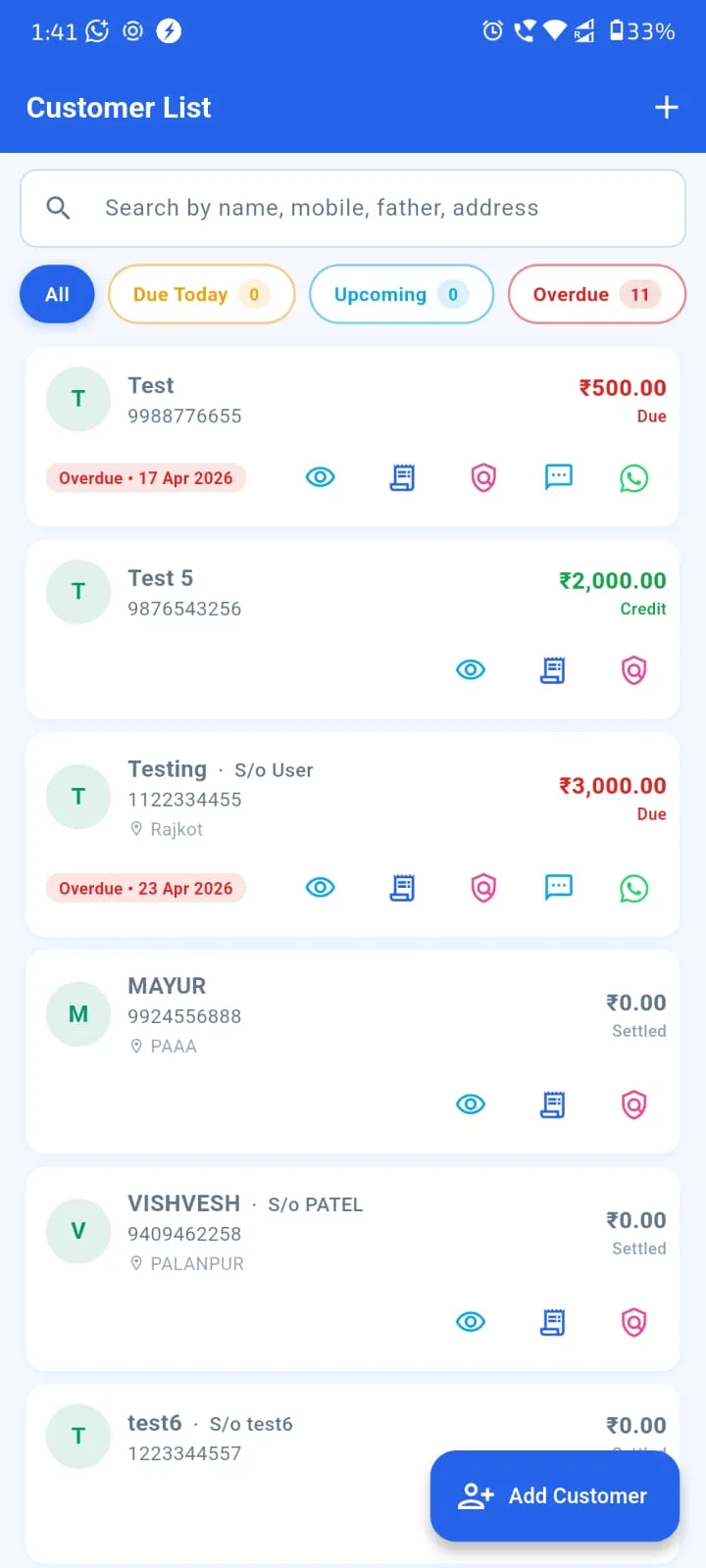
The POSP - Point of Sales Person - category is one of the fastest-growing segments in Indian insurance distribution. IRDAI created it specifically to allow individuals to sell standardized insurance products across multiple insurers without the heavier qualifications of a traditional agent. The catch is that the software ecosystem - especially company portals - was designed for single-insurer agents. POSPs need something different. This guide explains what.
Related reading: SaaS Insurance for POS Persons, POSP Agent Software, and Multi-Carrier Commission Management Tool.
Who Is A POSP And What Makes Their Software Different
A POSP is an individual certified under the IRDAI POSP regulation to sell specified insurance products on behalf of one or more insurers, both general and life. The model is multi-insurer by design - a POSP can work with several companies simultaneously, which is where the leverage comes from.
The software gap shows up immediately. A single-insurer agent can survive on the company portal for policy issuance and a paper diary for renewals. A POSP cannot. They have 5-10 portals to log into, each with its own commission report, each with its own renewal alerts, and none of them know about the others. The result is wasted time, missed renewals, and commission errors. A purpose-built POSP agent app consolidates all of that into one operating layer above the insurer portals.
Multi-Insurer Policy Tracking - The Core Feature
The foundational requirement for any POSP software is that it treats every insurer as equal. Not "primary insurer + others" - genuinely equal. This shows up in how the policy entry form works, how the dashboard groups data, and how reports are generated.
- Insurer-aware fields: Each insurer has slightly different naming conventions - one calls it "IDV", another "Insured Declared Value". The CRM should handle this without forcing the POSP to remember which insurer uses which term.
- Cross-insurer search: "Show me all clients with motor policies expiring in November" should return results across all insurers in one list, not require 10 separate searches.
- Insurer-tagged renewals: The 30/15/7-day reminder timeline should mark which insurer holds each policy, so the POSP knows which portal to log into to renew.
- Unified client view: If a client has motor with Bajaj, health with Star, and term with HDFC - the POSP sees all three in one profile, not three separate records.
Commission Configuration Per Insurer Per Product
This is where most generic CRMs break for POSPs. Commission is not a single number - it varies by insurer, by product, by policy year (first-year vs renewal), and sometimes by sum insured slab. A POSP doing ₹1 crore of premium across 8 insurers without per-insurer commission tracking is leaving money on the table just from arithmetic errors.
- Per-insurer rates: Bajaj motor 10%, Star health 12%, HDFC term first-year 25%, ICICI motor 8% - configured once, applied automatically.
- First-year vs renewal: Life insurance commission drops sharply after year 1. The CRM should know that and calculate correctly without manual intervention.
- Slab-based rates: Some products pay different percentages based on sum insured or premium amount. Configurable slabs prevent under-counting.
- Monthly commission report: One click to see total earned, broken down by insurer and product. Useful for tax planning and for spotting which insurer is most profitable.
Try Agenex Free
Built for multi-insurer POSPs - configurable commission, unified renewal timeline, mobile-first. The POSP agent ke liye best software on a free trial.
Start Free TrialA POSP's Daily Workflow With Real Software
What does a typical day look like for a POSP using the right tool? The workflow tightens dramatically:
- Morning - dashboard review: One screen shows today's expiring policies across all insurers, pending follow-ups, and yesterday's commission. Total time: 3 minutes.
- New policy entry: When a client buys, the POSP enters policy details once. The CRM auto-calculates commission, sets renewal reminder, files the policy PDF, and updates the dashboard. Total time per policy: under 2 minutes.
- Renewal calls: The CRM pre-builds a daily call list from policies expiring in 7-15 days. Each call has WhatsApp + SMS auto-sent. Reduces missed renewals dramatically.
- RC / Vahan check: For motor quotes, the POSP looks up RC details instantly from the integrated Vahan database. Saves 5 minutes per quote, looks more professional.
- Cross-sell scan: The CRM flags clients with motor-only or health-only coverage. The POSP picks 3-5 a day for cross-sell calls.
- Evening summary: Auto-generated daily snapshot - new policies, renewals collected, leads in pipeline, commission earned. The POSP knows where the day stands.
For deeper context on how this connects to the broader stack, see Auto-Dialer Insurance Lead Management and Automated Commission Tracking for Agents.
FAQ
A CRM designed for the POSP (Point of Sales Person) category specifically - unifies policies across multiple insurers, calculates commission per insurer/product automatically, and provides one renewal timeline across all carriers.
IRDAI permits POSPs to be registered with multiple insurers across general and life lines. The software needs to support unlimited insurer onboarding without making any one "primary".
Yes - per-insurer, per-product, per-year rates are configured once. When a policy is added, the commission is calculated automatically. End-of-month reports break down earnings by insurer and product.
Yes - the entry tier handles 100-200 policies which fits most new POSPs. The same software scales to 5,000+ policies without a tool change. Start free, upgrade only when the book grows.
Full-featured. POSPs work from the road - quotes, policy entry, RC check, renewal calls, document upload all work from the Android app. The mobile app is the primary experience for most users, not an afterthought.